Modern tolling systems are complex, highly integrated ecosystems that combine roadside hardware, back-office software, payment processing platforms, and customer service applications. As toll agencies increasingly adopt technologies such as Open Road Tolling, Automatic Number Plate Recognition (ANPR), and multi-agency interoperability, ensuring system reliability and accuracy becomes more critical than ever.
Independent testing and Independent Verification & Validation (IV&V) play a vital role in ensuring that tolling systems operate correctly, protect revenue, and deliver a seamless experience for motorists.

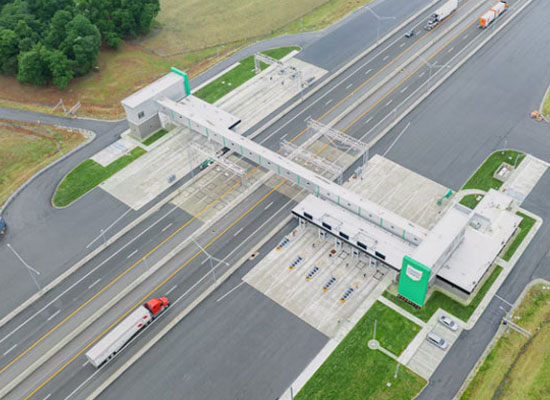
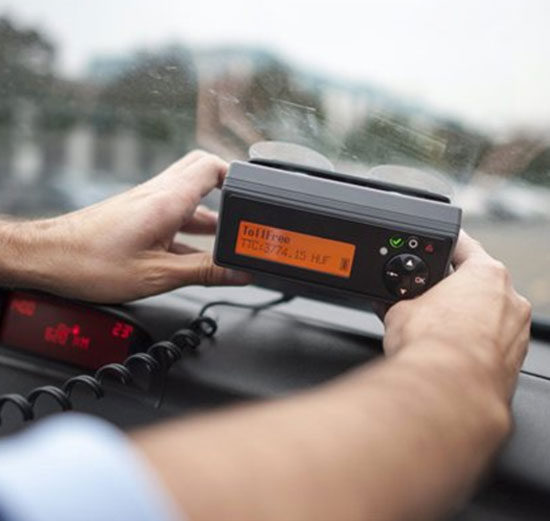
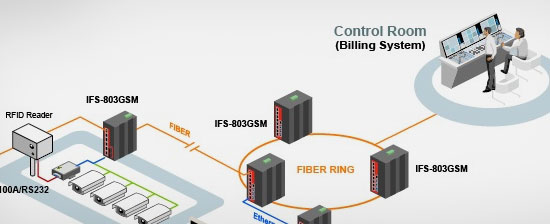
Traditional toll plazas have rapidly evolved into sophisticated electronic toll collection environments. Today’s systems typically include:
Each component must function correctly on its own while also interacting flawlessly with other components. Even small configuration errors or integration failures can result in incorrect toll charges, revenue leakage, or customer dissatisfaction.
Traditional toll plazas have rapidly evolved into sophisticated electronic toll collection environments. Today’s systems typically include:
Testing conducted by the same organization that builds the system may unintentionally overlook defects or operational risks.
Testing environments may not fully replicate the complexity of live traffic conditions or edge cases.
Integrators often prioritize meeting contractual deliverables rather than long-term operational resilience. Independent testing provides an objective evaluation that complements integrator testing and ensures the system meets the agency’s operational expectations.
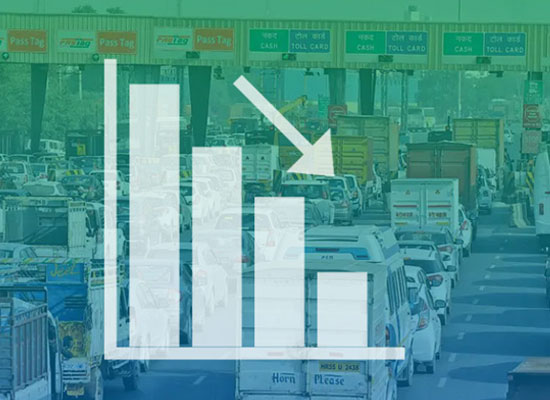
Revenue assurance is one of the primary reasons agencies invest in independent testing. Even minor errors in toll calculation, transaction processing, or violation handling can lead to significant revenue losses over time.
Independent testers validate:
By identifying discrepancies early, agencies can avoid costly revenue leakage after system deployment.
Toll systems must handle extremely high transaction volumes, particularly during peak traffic periods. Without adequate performance testing, agencies risk system slowdowns, transaction backlogs, or data synchronization failures.
Independent testing teams conduct rigorous evaluations such as:
These tests ensure the system remains stable and responsive under real-world conditions.
For motorists, tolling should be invisible and effortless. Errors such as incorrect charges, delayed billing, or inaccurate violations can quickly erode public trust.
Independent testing helps ensure:
This ultimately leads to a better customer experience and fewer disputes.
Major tolling projects involve significant investments and tight implementation timelines. Independent testing provides agencies with an additional layer of assurance before launch.
By validating system functionality, integrations, and operational readiness, IV&V teams help reduce deployment risks and improve overall project success.
As tolling systems become more advanced and interconnected, the risks associated with system failures or inaccuracies increase. Independent testing provides toll agencies with an objective, comprehensive evaluation of system performance, accuracy, and reliability.
By incorporating independent testing into the project lifecycle, agencies can protect revenue, ensure operational efficiency, and deliver a reliable tolling experience for motorists.